World Lion Day
August 10, 2017
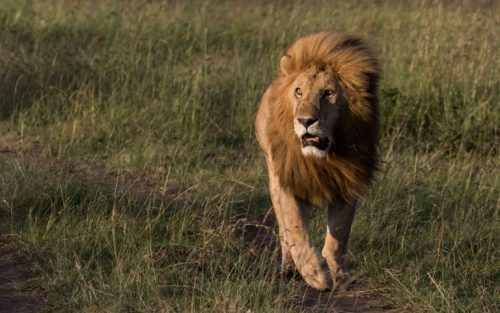
August 10 is designated as World Lion Day to celebrate Lions globally. The aim is to protect them from hunting, habitat loss and human-wildlife conflict.
2,000 years ago more than a million lions roamed the Earth. Since the 1940s, when lions numbered an estimated 450,000, lion populations have blinked out across the continent. Now they may total as few as 20,000 and fewer than 2,000 lions left in the wild in Kenya. This is such a sad fact.
The lion (Panthera leo) is one of the big cats in the genus Panthera and a member of the family Felidae. The commonly used term African lion collectively denotes the several subspecies in Africa. With some males exceeding 250 kg (550 lb) in weight, it is the second-largest living cat after the tiger. Wild lions currently exist in sub-Saharan Africa and in India (where an endangered remnant population resides in and around Gir Forest National Park).
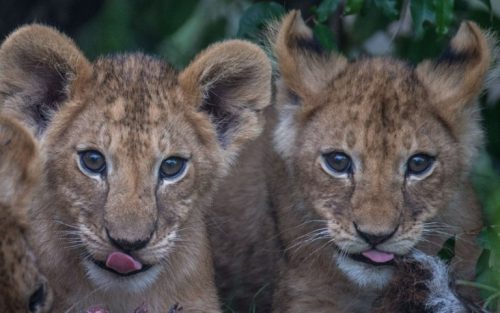
Lion facts
1. Lions usually live in groups of 10 or 15 animals called prides.
2. An adult male’s roar can be heard up to 8km away.
3. A female lion needs 5kg of meat a day. A male needs 7kg or more a day.
4. The name for a baby lion is a cub, whelp or lionet.
5. Lions go on the hunt for food mostly from dusk till dawn. Female lions do 85-90% of the prides hunting, whilst the male lions patrol the territory and protect the pride.
6. In the wild, lions live for an average of 12 years and up to 16 years. They live up to 25 years in captivity.
7. Often known as the ‘king of the jungle’, most lions actually live in the savannah or grasslands. Just one population of wild forest-dwelling lions remains, in Gir Forest National Park, India.
8. Female lions reach two-thirds of their adult size by the time they are two years old.
9. Lions run at a speed of up to 81kmph.
10. Lions hunt large animals such as zebra and wildebeest.
Source: www.en.wikipedia.org / www.animals.nationalgeographic.com / www.natgeokids.com
Image Credit: www.telegraph.co.uk
